
Why I Stopped Wearing My Oura Ring
As first seen in the July 2026 client newsletterI spent more on my Oura ring than I did on my wedding ring (shoutout to my “friend in the diamond business, Shane Co.”).
I’ve always been into wellness & fitness, and back in 2023 I was committed to getting a better handle on my sleep - or lack thereof. But I hate wearing things on my wrists at night, so when I learned about the Oura ring, I was in!
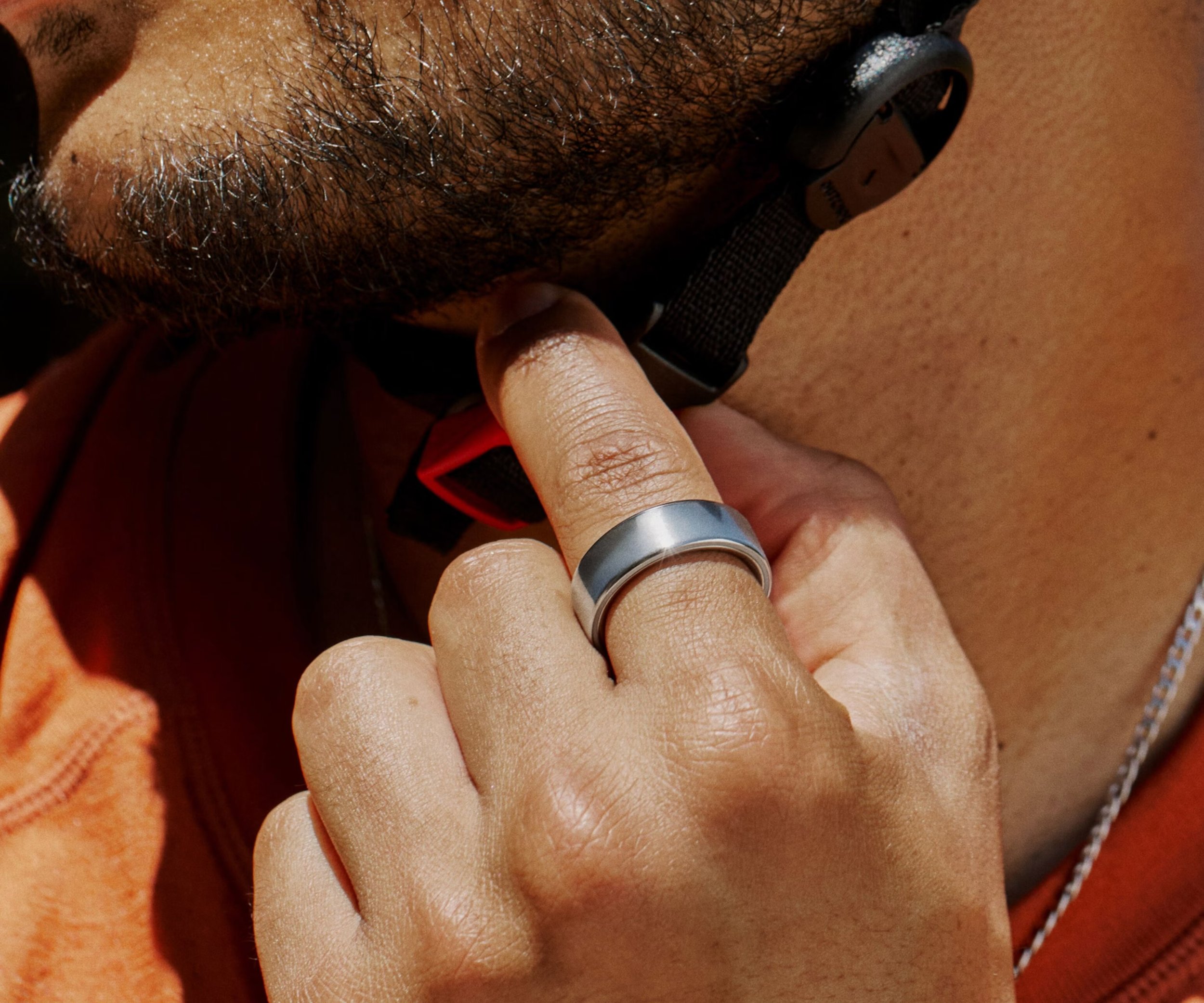
First I’ll say this… Oura’s data collection, user interface, and insights are quite good in the wearables space.
That said, I’ve come to believe that tracking micro-level data on your health can be a net negative.
Two important caveats:
If you’re a professional athlete, or training like one (shoutout to my soccer player & ultra-runner clients), you have very real reasons to track this data.
If you have a health issue/concern that you’re sorting through, this data can absolutely be a net positive in your diagnosis and treatment, so don’t let me dissuade you.
With those out of the way, I’ll make my point.
Humans are particularly bad at comprehending large scales, and we live in a world with access to unimaginable amounts of data. And sometimes that data overwhelm will cause us to miss what matters most.
When I was in college, every business class touched on the subject of “Big Data”... before we really knew what that meant. It felt like the frontier of business and tech.
Fast forward a decade and you have the Cambridge Analytica scandal… Facebook knows HOW MUCH about me!?
Now, there is a data center planned in Utah with a footprint of 62 square miles (2x the size of Manhattan).
THAT is a lot of data.
Our world runs on it, and it’s scale is unfathomable.
And we’re bad at comprehending this sort of scale. Here’s two quick examples:

Photo by Igor Omilaev on Unsplash
Money 💵
If I give you $1 every second, day and night, you’d have:
$1 million in ~11 days (party at your place next weekend!)
$1 billion in ~32 years (just in time to start your fam!)
$1 trillion in ~32,000 years (yes, Elon’s wealth is that perverse)
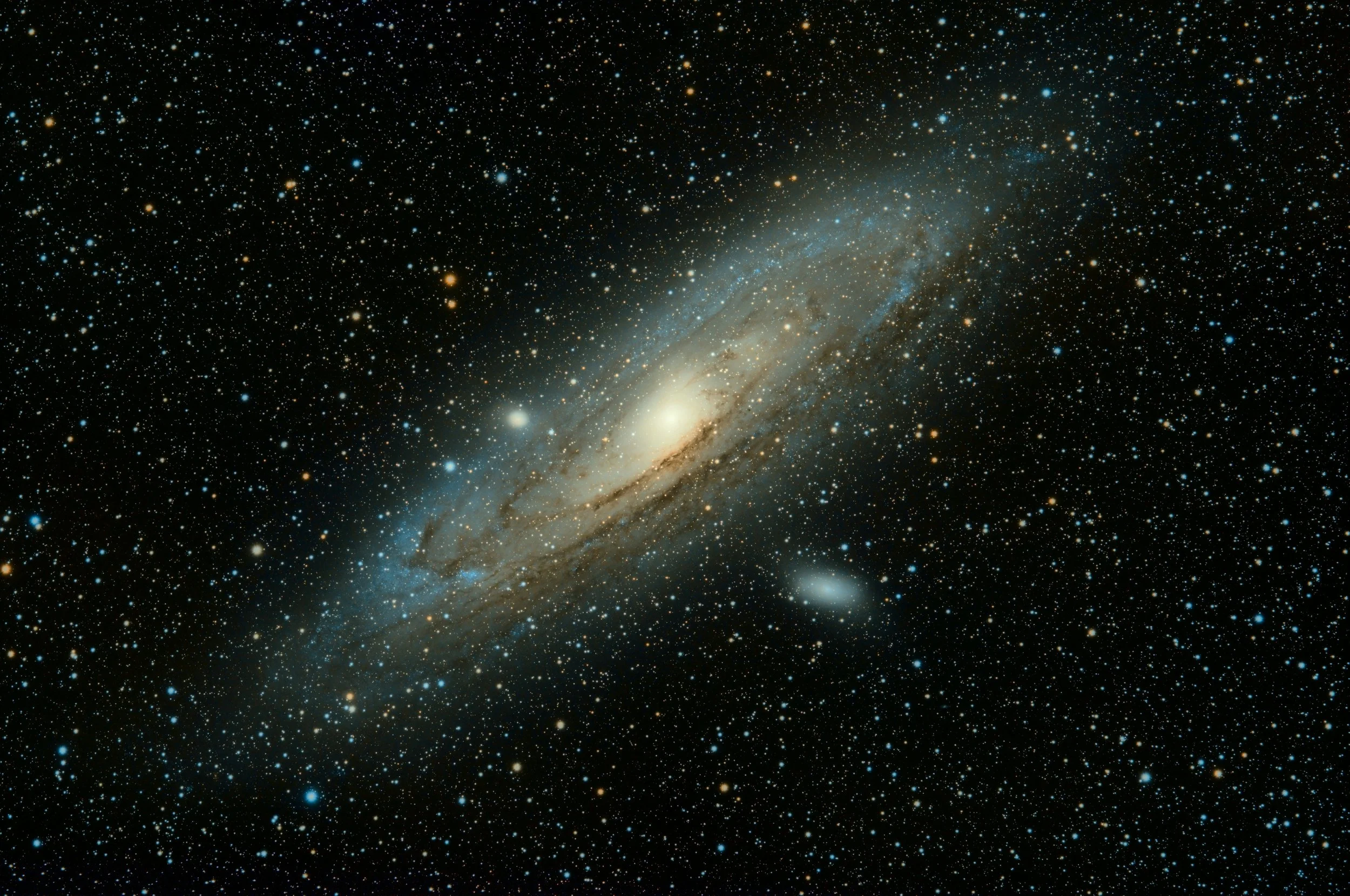
Photo by Guillermo Ferla on Unsplash
Space ⭐
A light year is how long it takes light to cover a certain distance. The nearest star to our sun, our closest neighbor in a galaxy of billions of neighborly stars is ~4.25 light years away.
Light travels 186,282 miles PER SECOND.
So 4.25 light years is 24,984,157,836,028 miles.
Our nearest neighbor is 25 trillion miles away. 🤯
Does your head hurt yet?
So what do you do when it’s all at your fingertips? Do you have the bandwidth to do anything with it at all?
I thought I did. But I was very wrong.
My Oura ring told me how much I slept, the quality of my sleep, my heart rate, respiration, my steps, my calorie burn and that’s just scratching the surface.
After 3 years of near constant use, it turns out I’m not very good at integrating this data.
I could see when I was lacking sleep. I could see the quality of my sleep, when I wasn’t getting enough REM sleep. I could see how out of balance certain days were between my activity and my rest.
And while I would sometimes integrate a change, my trends after three years are mostly the same.
I average about the same total sleep per night. I’m still about as active as I always was. And overall, I’m fairly healthy.
So why did I stop wearing it?
Because it created “should’s” in my daily life…
I should get more sleep.
I shouldn’t have eaten so late.
I should move more in the mornings instead of later in the day.
I should find ways to increase my REM sleep.
I should do more breath work to reduce my stress.
These are all good things. That’s what makes this difficult.
In a world full of data that we should integrate, we careen towards burnout in more ways than we can handle.
I was burning out on all the things I should do to optimize my health, and I had stopped asking the questions that are more important:
How do I feel in my body?
Am I excited about my day?
Do I feel like I have the energy I need?
Am I enjoying my life?
I never needed my Oura ring to tell me:
Get good sleep
Move my body
By mindful of my breath
Eat well
I was “majoring in the minors”... missing the forest for the trees.
I want to see the forest again. So I’m zooming out, not tracking my health data, and will put my Oura ring in a drawer for now.
This is a good lesson for your financial life.
You can’t control the “big data” stuff in finance… the stock market, housing prices, interest rates, tax law… but you can control a few things.
Spend less than you earn
Save & invest systematically
Avoid the use of bad debt
Give generously
Set long-term goals aligned with your spouse
These are the activities that yield long-term financial success and contentment.
And don’t forget to really ask yourself, “am I enjoying my life?”
If your finances are one of the reasons you’re NOT enjoying your life,schedule a time to meet with meand let’s dig into what matters most to you.